






Tooth extraction in Brampton
Careful removal of a tooth that can't be saved, with a clear plan for healing and for replacing it if needed.
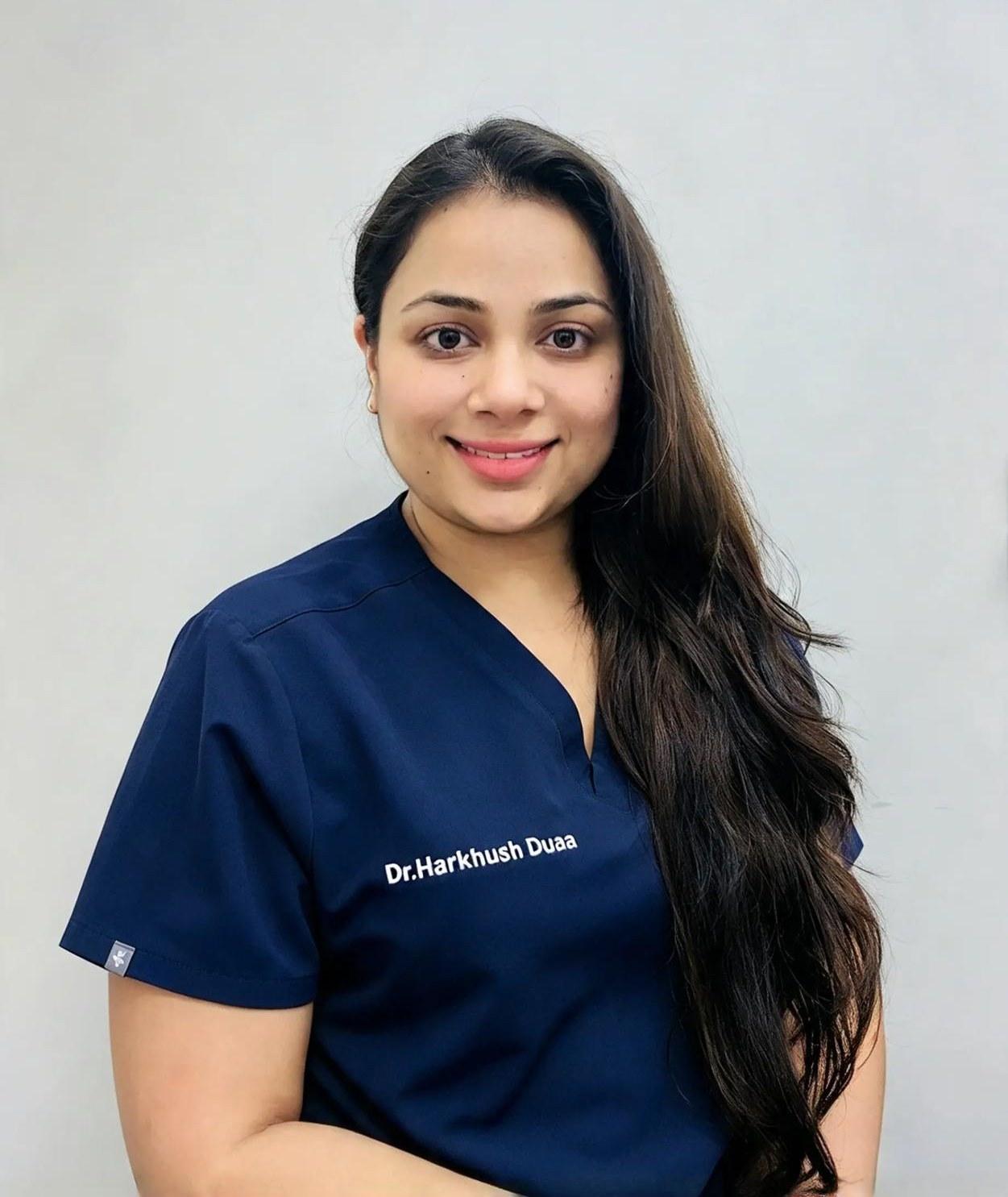
Care at Élevé Dental is provided by Dr. Harkhush Dua, General Dentist.
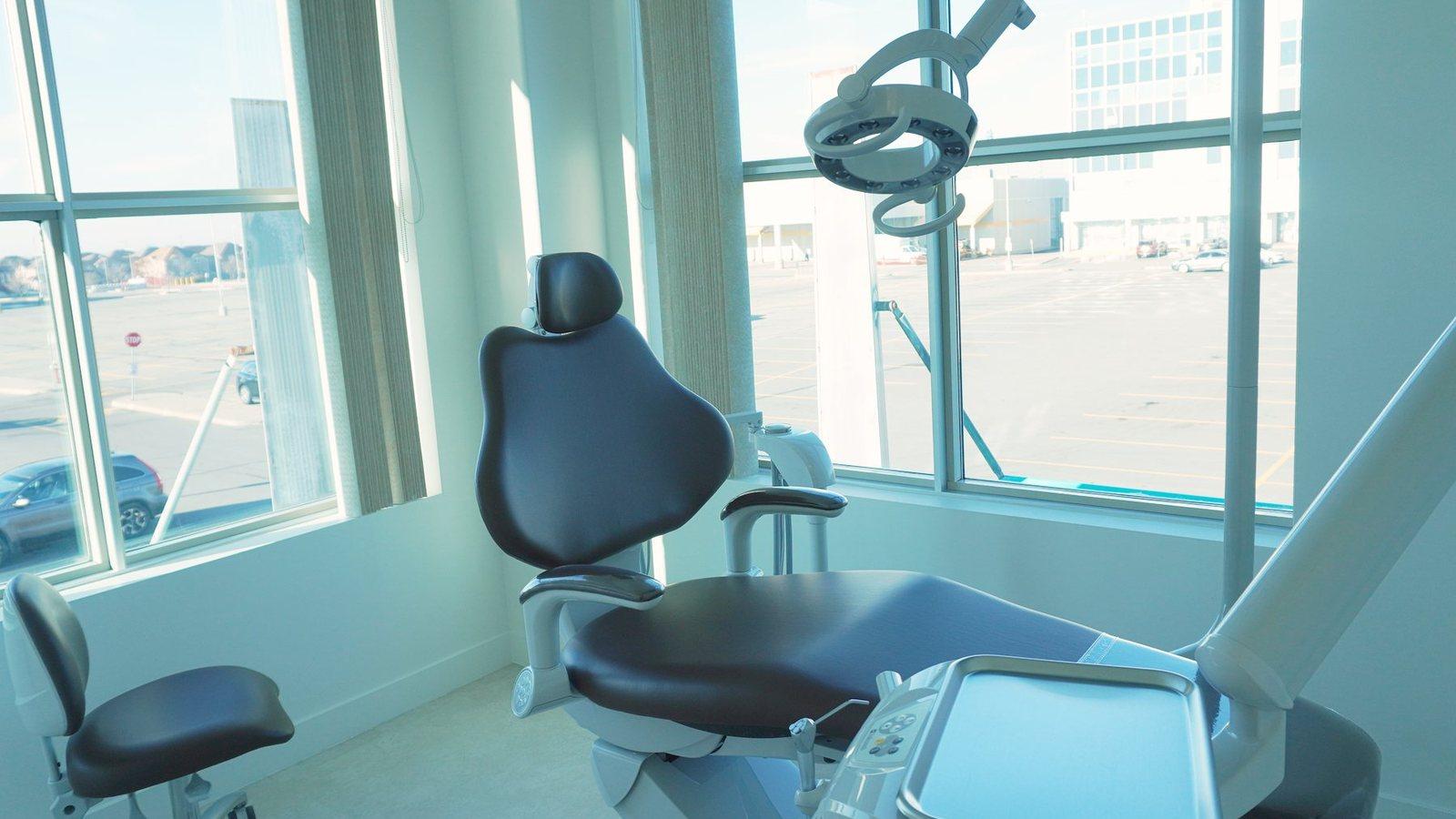
Keeping your natural teeth is always the first aim. Sometimes, though, a tooth is too damaged, too infected or simply in the wrong place, and removing it is the healthiest choice. Tooth extraction is one of the most common surgical procedures in dentistry, and with careful planning it is usually far more comfortable than people expect.
At Élevé Dental in Brampton, Dr. Harkhush Dua explains why an extraction is being recommended, what alternatives exist, and what happens afterwards, including how the space can be filled if you would like it to be.
What a tooth extraction involves
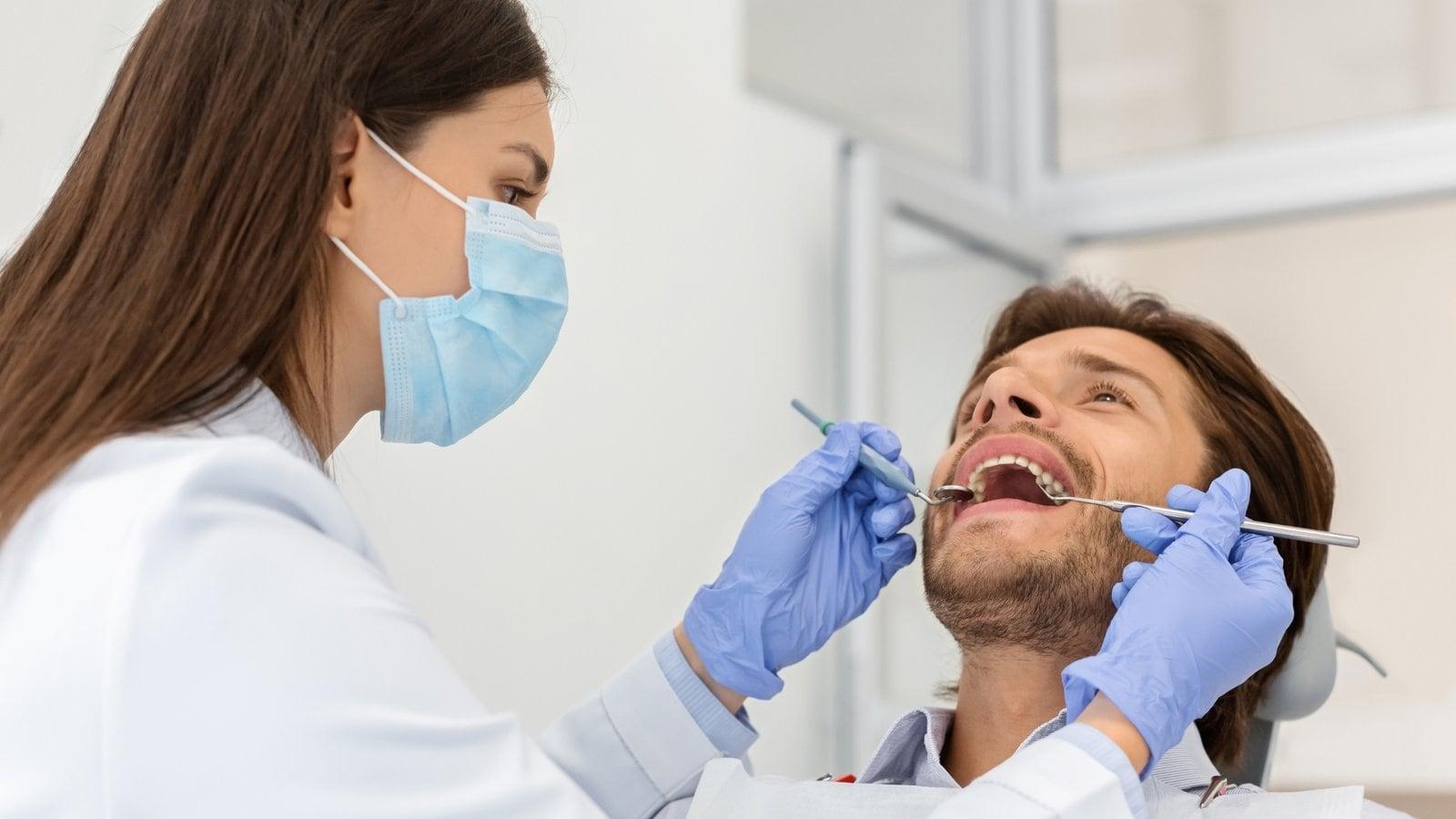
An extraction removes a tooth, including its roots, from the socket in the jawbone. The area is numbed thoroughly first, so you should feel pressure rather than pain. Straightforward extractions are often completed in a single short appointment, while teeth that are broken at the gum line or have curved roots may need a more involved surgical approach.
If you feel anxious, sedation can make the appointment easier to get through. Laughing gas (nitrous oxide) can be discussed during planning.
Reasons a tooth may need to come out
Dr. Dua will only recommend removing a tooth when repairing it is not realistic or would not serve your health. Common reasons include:
- A tooth that is too broken down or decayed to restore
- Infection or an abscess that cannot be resolved by other treatment
- Advanced gum disease that has left a tooth loose
- A root canal treatment that has failed
- Roots left behind after a tooth has broken
- Creating space as part of an orthodontic treatment plan
Extractions for children
Baby teeth occasionally need to be removed too, usually when one is too damaged to repair or is causing pain or infection. Taking out a badly affected baby tooth relieves discomfort and lets the adult tooth underneath come through. Where a baby tooth is lost early, a space maintainer may be suggested to keep room for the permanent tooth. We take a slow, reassuring approach with younger patients, and our children's dentistry page has more on caring for kids.
Healing and replacing the tooth
After an extraction, a blood clot forms in the socket and the area begins to heal. For the first day or two, it helps to rest, avoid rinsing vigorously, skip smoking and drinking through a straw, and choose soft foods. Some swelling and tenderness are normal and usually ease steadily. Call us if bleeding, pain or swelling gets worse rather than better.
Losing a back tooth can affect chewing and allow neighbouring teeth to drift, and a missing front tooth affects your smile. Replacement options include a dental implant, a bridge, or a denture. In some cases an immediate denture is made in advance and placed on the same day teeth are removed, so you are not left without teeth while the gums heal. Healing can take up to about six months, and an immediate denture usually needs adjusting as the gums and bone settle.

Coverage and cost
Whether an extraction is covered depends on your insurance plan or your eligibility under the Canadian Dental Care Plan, and on the type of extraction. Our team can review your benefits and bill most major insurers directly where supported. Any uncovered amount is your responsibility, and you can ask about financing options for the replacement that follows.
What to expect
- 01
Examination and X-rays
Dr. Dua assesses the tooth and the roots, explains why removal is recommended and talks through alternatives.
- 02
Planning for comfort
We discuss freezing, whether sedation would help, and how the space could be replaced later.
- 03
The extraction
Once the area is fully numb, the tooth is loosened and removed. You may feel pressure, but you should not feel sharp pain.
- 04
Aftercare instructions
You go home with gauze, written care steps and a number to call if you have any concerns while healing.
Ready to take the next step? Book online, or call and we’ll help you choose a time.
Questions
Frequently asked questions
Does a tooth extraction hurt?
The area is thoroughly numbed beforehand, so most people feel pressure rather than pain. Some soreness afterwards is normal and usually responds to over-the-counter pain relief.
Can I be sedated for an extraction?
Often, yes. Laughing gas may be an option depending on your health and the procedure. Dr. Dua will discuss what suits you.
What should I eat after an extraction?
Stick to soft, cool foods for the first day or two, and avoid chewing on that side. Avoid straws and smoking, which can disturb the healing socket.
Do I need to replace the tooth?
Not always, but replacing a missing tooth helps you chew comfortably and stops nearby teeth from shifting. Implants, bridges and dentures are all possibilities.
What if I have a toothache and think I need an extraction urgently?
Call (905) 488-2525. We offer same-day emergency appointments whenever possible and can advise you on the next steps.
Dental Guide
Read before your visit
- After a tooth extraction: aftercare, healing stages and dry socketFor the first few days, your main job is to protect the blood clot in the socket. Here’s what to do day by day, what normal healing looks like, how to tell dry socket apart, and which symptoms need urgent care.
- Wisdom teeth: symptoms, removal and whether yours need to come outWisdom teeth are the last molars to arrive, and many people keep them without trouble. When there isn’t room, they can cause pain, gum infection or decay, and removal may be the right call. Here is how to tell, and what removal and recovery involve.
Related care at Élevé Dental
- Oral SurgeryTooth extractions, dental implants, bone grafts and immediate dentures, planned with you before anything starts.
- Emergency Dental CareCare for toothaches, broken teeth and other dental emergencies, seven days a week, with same-day appointments whenever available.
- Dental ImplantsA fixed way to replace one missing tooth, several teeth, or a full upper and lower set.
- Bone GraftingA procedure that rebuilds thin or damaged jawbone, often to create a solid foundation for a dental implant.
- DenturesPartial, complete and immediate dentures that replace missing teeth and make eating and speaking easier.

Tooth Extraction at Élevé Dental, Brampton
If a tooth is causing you trouble, book an assessment in Brampton. Dr. Dua will explain every option before anything is removed.
Visit Élevé Dental
Conveniently located in Brampton, Ontario, Élevé Dental proudly welcomes patients from Bramalea, Peel Village and surrounding communities.
Contact
- (905) 488-2525
- Fax (905) 488-2527
- info@elevedental.ca
Office hours
- Monday
- 9:00 AM – 6:00 PM
- Tuesday
- 9:00 AM – 6:00 PM
- Wednesday
- 9:00 AM – 6:00 PM
- Thursday
- 9:00 AM – 6:00 PM
- Friday
- 9:00 AM – 6:00 PM
- Saturday
- 9:00 AM – 3:00 PM
- Sunday
- 9:00 AM – 3:00 PM