


Dental implants in Brampton
A fixed way to replace one missing tooth, several teeth, or a full upper and lower set.
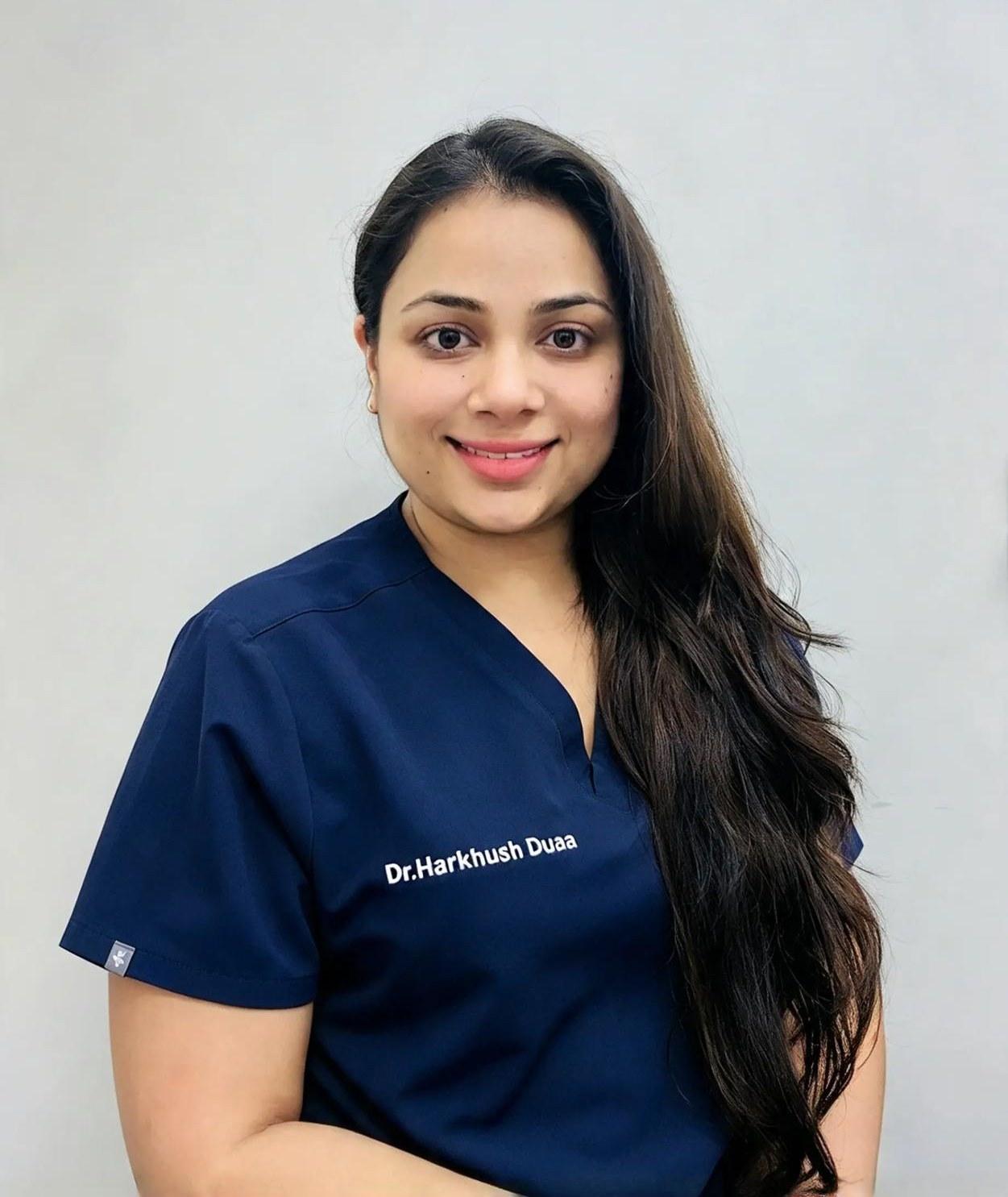
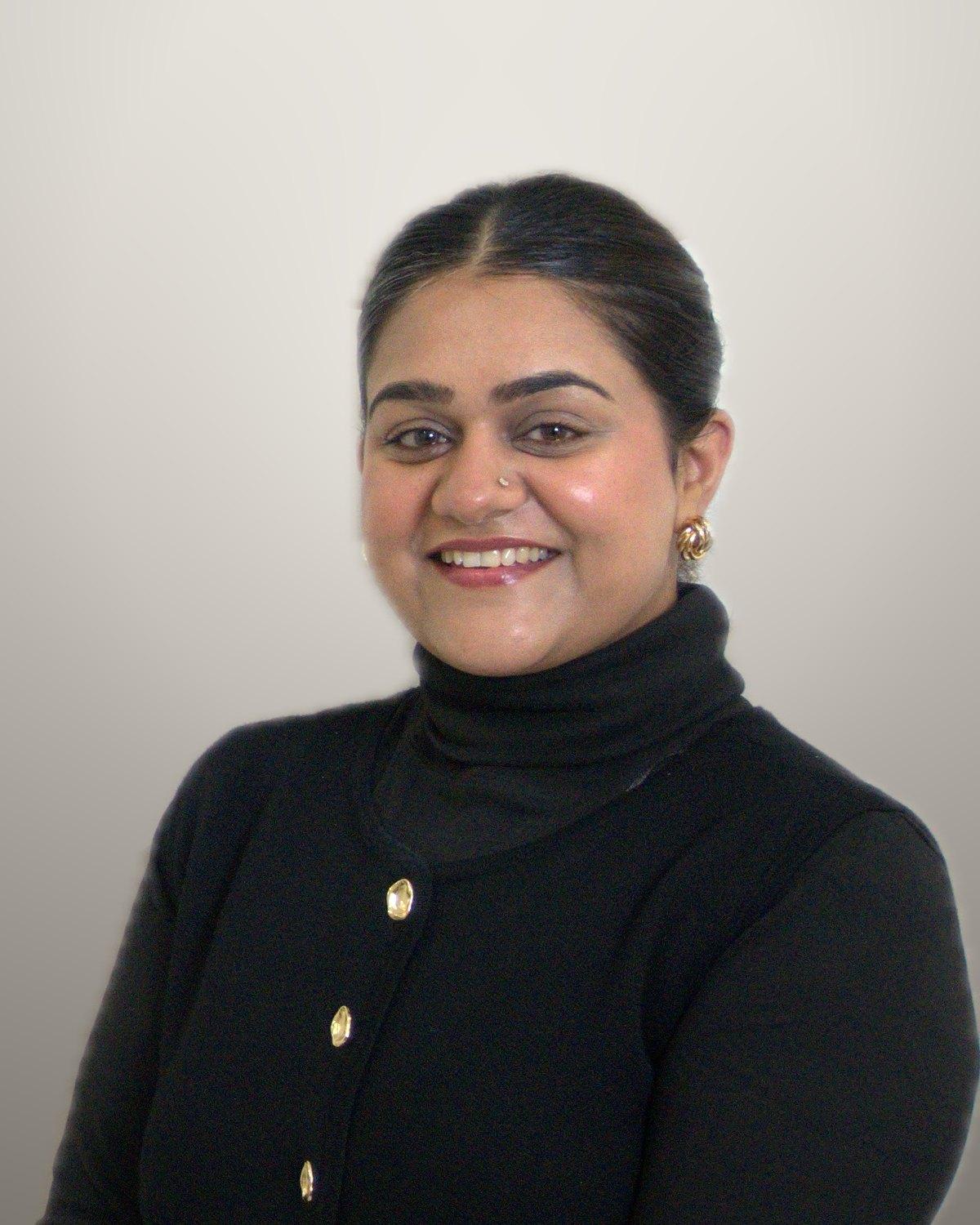
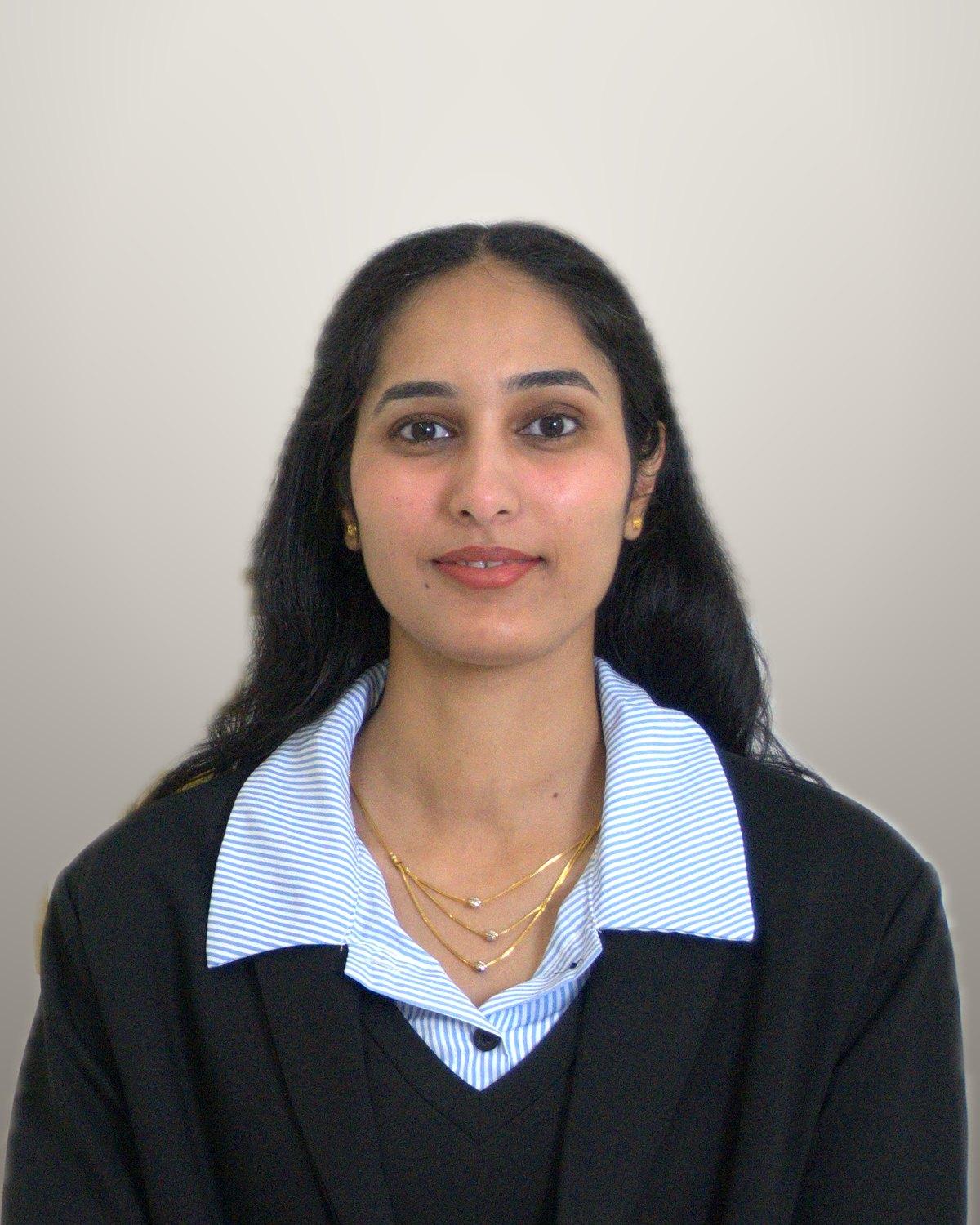
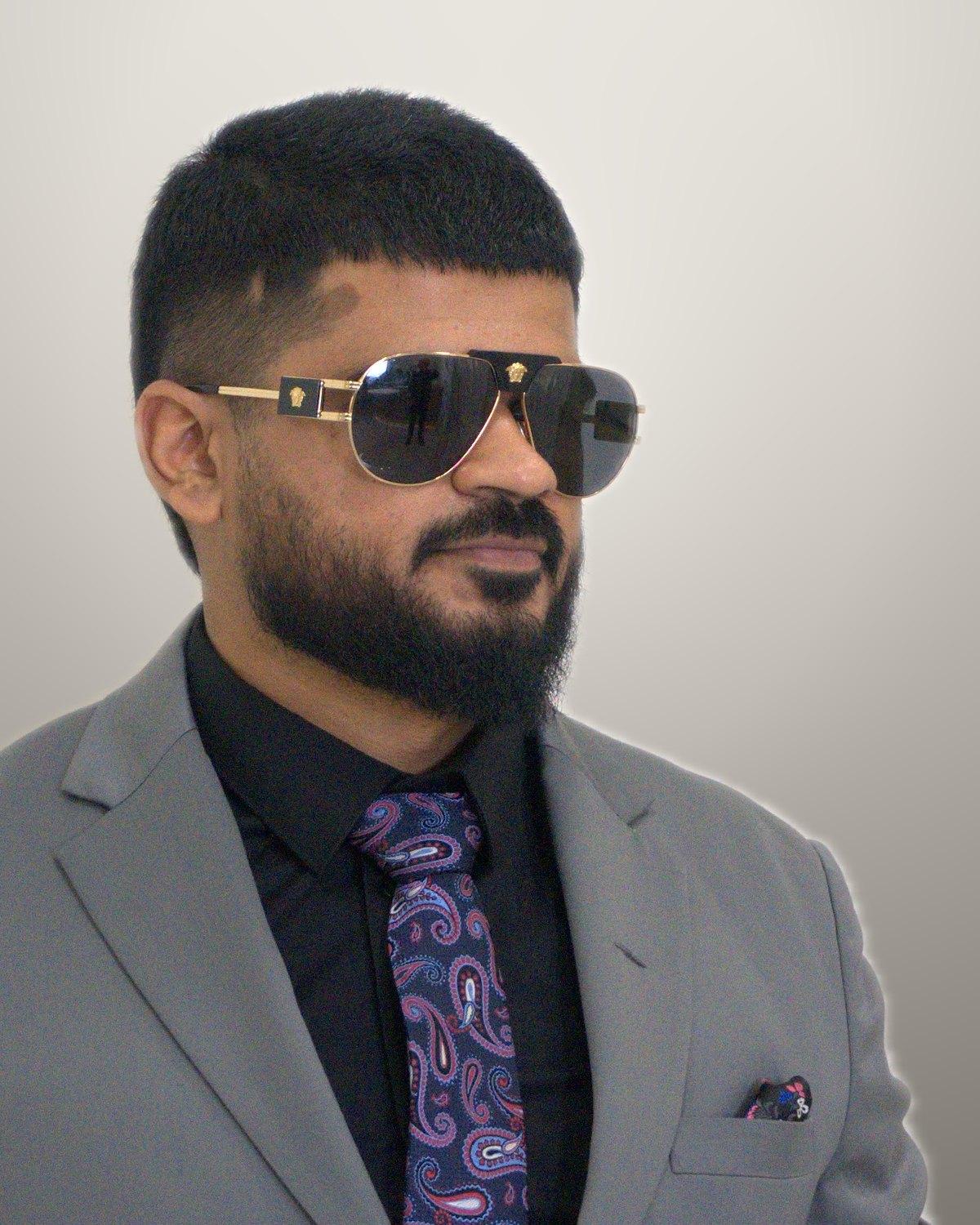
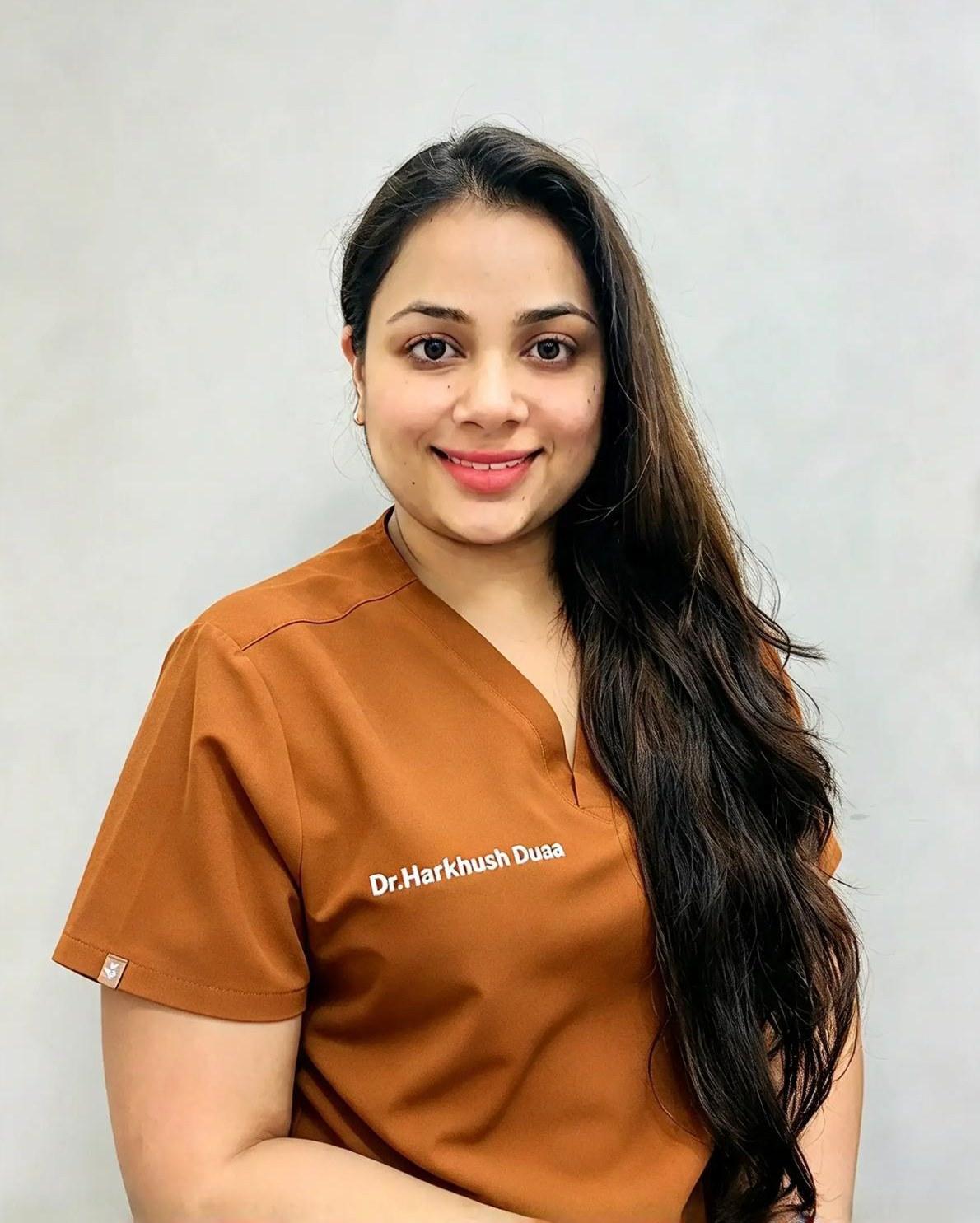
Care at Élevé Dental is provided by Dr. Harkhush Dua, General Dentist.
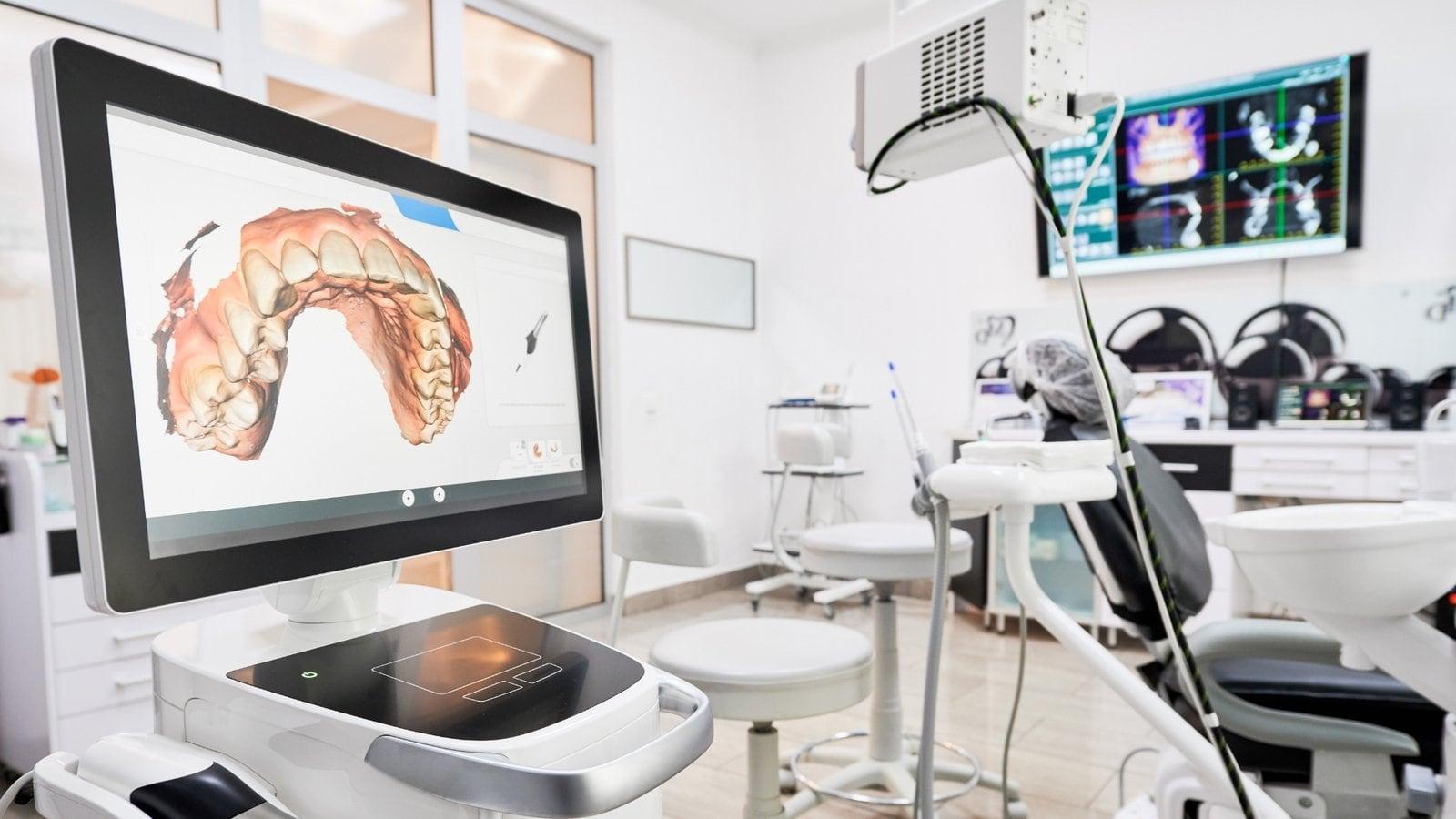
A missing tooth affects more than how your smile looks. Chewing can get awkward, the teeth beside the gap can drift into it, and the bone that held the root slowly shrinks. An implant replaces the root itself, so a new tooth, a bridge or a full set of teeth has something solid to sit on.
At Élevé Dental in Brampton, Dr. Harkhush Dua plans implant treatment with you. She has more than 15 years of experience in dentistry. She'll check your mouth, tell you whether an implant is a good fit, and go over the other options too, so you can make the choice yourself. You can start with a consultation.
What is a dental implant?
An implant is a small artificial root, usually made of titanium, that is placed in the jawbone under the gum. Over the next few months the bone grows tightly around it. This is called osseointegration, and it turns the implant into a stable anchor.
Once the implant has bonded, it can hold a single crown, a bridge across several teeth, or a full set of upper and lower teeth. The new teeth are fixed in place rather than removable, so they look and work much like natural teeth when you eat and talk.
Who can get an implant
Implants can work for adults missing one tooth, a few teeth in a row, or all the teeth in one or both jaws. People often ask about them when they don't want a removable denture, or don't want healthy teeth filed down to hold a regular bridge.
Dr. Dua looks at a few things first. You need enough healthy bone to hold the implant, and your gums need to be free of active disease. Smoking, some medical conditions and some medications can slow healing, so she'll go over your health history with you. If the bone has thinned, a bone graft can often rebuild it first.
Treatments included
Single-tooth implant
One implant and one crown replace a single missing tooth. The teeth on either side are left alone.
Multiple-tooth implants
When several teeth are missing, a few implants can hold individual crowns or a row of connected teeth.
Full upper and lower replacement
Implants can hold a full set of replacement teeth in one or both jaws. It's a fixed alternative to a removable denture.
Implant-supported bridge
Two or more implants hold a bridge across a longer gap, so your natural teeth don't have to carry it.
Bone grafting
If the jawbone has thinned after a tooth was lost, graft material can rebuild it so the implant has firm support.
Implants compared with bridges and dentures
A regular bridge is held by the teeth on each side of the gap, which are filed down to take crowns. A single implant can replace one missing tooth between two healthy teeth without touching them. Removable dentures sit on the gums and come out at night. An implant-supported option stays in.
There is no single right answer. Bridges and dentures have a long track record, and they're sometimes the more practical choice, especially when bone or general health makes surgery a poor fit. Dr. Dua will go through each option with you so you can weigh comfort, appearance and day-to-day care.
Replacing a single tooth
A single implant suits an adult who has lost one tooth, or has one that can't be saved, and has healthy teeth on either side. It's often chosen for a front tooth lost to an injury or a back tooth lost to decay or a crack, when you'd rather not have the neighbouring teeth reshaped for a bridge.
The process starts with an exam and X-rays, and sometimes a 3D scan, to see how much bone there is. The implant is placed under local anaesthetic, then left to bond with the bone. A crown made to match your other teeth is attached once it's stable. From placement to the final crown usually takes a few months, and longer if the tooth has to come out first or the area needs a graft.
Replacing several teeth
When two or more teeth are missing, you don't always need one implant for each tooth. Two implants can often hold a short bridge of three or four teeth, which means less surgery and fewer parts to look after. This can suit people with a gap from several lost back teeth, or a partial denture they'd like to stop taking in and out.
Dr. Dua plans where each implant goes based on your bone, your bite and the teeth you still have. The implants are placed, given time to heal, and then the bridge or individual crowns are fitted. Expect several visits over a few months. If more than one area needs work, the stages can sometimes be lined up so you have fewer healing periods.
Replacing a full arch
Full-arch treatment is for people who have lost all or most of the teeth in the upper or lower jaw, or whose remaining teeth are failing. It's also an option if you wear a full denture that slips, makes chewing hard or affects how you speak. A small number of implants in the jaw hold a complete set of teeth that stays in.
Planning takes longer because the whole jaw is involved: Dr. Dua looks at your bone along its length, your bite and how your face is supported. Any teeth that can't be kept are removed, the implants are placed, and you usually wear temporary teeth while everything heals. The permanent set is made once the implants are stable. The full process often runs over several months, and Dr. Dua will give you a timeline for your situation.
Caring for your implant
An implant can't get a cavity, but the gum and bone around it still need daily care. Brush twice a day, clean between your teeth and around the implant with floss or small interdental brushes, and keep up with check-ups and cleanings so gum inflammation is caught early.
After the implant goes in, some soreness and swelling for a few days is common. Soft foods, rest and the aftercare instructions we give you help the area settle. If anything feels wrong while you heal, call us at (905) 488-2525.
What affects the cost of implants
Every implant plan is priced for the person in the chair, so the total depends on a few real factors. The biggest is the number of implants: one implant for a single tooth costs less than the two or more needed for a bridge or a full arch. Bone grafting adds a step, and a cost, if the jaw needs rebuilding first. The type of restoration on top matters too: a single crown, a bridge or a full set of fixed teeth each take different materials and lab work.
Imaging is part of planning, from regular X-rays to a 3D scan when the bone needs a closer look. If a tooth must be removed first, that's a separate step. Sedation, if you'd like help relaxing, is also priced separately. After your exam, you'll get a written plan that lists each stage and its cost before you agree to anything.
Insurance and financing for implants
Élevé Dental accepts most major dental insurance plans and bills your insurer directly where your plan allows. Some plans pay toward implants and others only toward a bridge or denture, so our team can help you check what your plan may cover before treatment starts.
Coverage depends on your eligibility, your plan and the treatment, and anything your plan doesn't cover is your responsibility. Ask our team about financing options and whether you qualify. A consultation is a good first step so you know the full cost up front.
What happens at your appointments
- 01
Consultation and exam
Dr. Dua checks your teeth, gums and bite, goes over your health history and asks what you'd like to fix. X-rays show her how much bone there is.
- 02
Your treatment plan
You get a written plan showing how many implants you need, whether grafting is needed, the stages and the costs.
- 03
Placing the implant
The implant is placed in the jawbone under local anaesthetic. If you're nervous, we can talk about sedation.
- 04
Healing
The bone bonds to the implant over several months. Depending on where it is, you may get a temporary tooth in the meantime.
- 05
Your final tooth or bridge
Once the implant is stable, the permanent crown, bridge or full set of teeth is attached and adjusted so your bite feels right.
Ready to take the next step? Book online, or call and we’ll help you choose a time.
Questions
Frequently asked questions
Does getting a dental implant hurt?
The area is numbed before the implant goes in, so most people feel pressure, not pain. It's normal to be tender for a few days afterwards. Over-the-counter pain relief usually helps.
How long do dental implants last?
With good daily care and regular check-ups, implants are meant to be a long-term replacement. The crown or bridge on top may need replacing at some point because of normal wear.
Can I get an implant if I have lost bone?
Often, yes. A bone graft can rebuild thin areas of the jaw before or during implant treatment. Dr. Dua will check the bone on X-rays and tell you if you need a graft.
Is an implant better than a bridge?
Each has pros and cons. An implant doesn't involve filing down the teeth next to the gap. A bridge may suit people who'd rather avoid surgery. We'll compare both for your mouth.
Will insurance cover my implant?
Some plans pay toward implants and others don't. We bill most major insurers directly where your plan allows, and we can help you check your benefits before you start.
Can I book a consultation about implants?
Yes. You can book a consultation at our Brampton clinic to look at your options and answer your questions.
Dental Guide
Read before your visit
Related care at Élevé Dental
- Bone GraftingA procedure that rebuilds thin or damaged jawbone, often to create a solid foundation for a dental implant.
- Dental CrownsA custom cap that covers and protects a weakened tooth, made in zirconia or ceramic to suit its position.
- Dental BridgesA fixed replacement for one or more missing teeth, anchored to the teeth on either side or to implants.
- Partial DenturesRemovable replacements that fill gaps from missing teeth and rest on your remaining natural teeth for support.
- DenturesPartial, complete and immediate dentures that replace missing teeth and make eating and speaking easier.

Dental Implants at Élevé Dental, Brampton
If you've been living with a missing tooth, book an implant consultation at Élevé Dental in Brampton. You can also call us and we'll find a time that works on our seven-day schedule.
Visit Élevé Dental
Conveniently located in Brampton, Ontario, Élevé Dental proudly welcomes patients from Bramalea, Peel Village and surrounding communities.
Contact
- (905) 488-2525
- Fax (905) 488-2527
- info@elevedental.ca
Office hours
- Monday
- 9:00 AM – 6:00 PM
- Tuesday
- 9:00 AM – 6:00 PM
- Wednesday
- 9:00 AM – 6:00 PM
- Thursday
- 9:00 AM – 6:00 PM
- Friday
- 9:00 AM – 6:00 PM
- Saturday
- 9:00 AM – 3:00 PM
- Sunday
- 9:00 AM – 3:00 PM