








Root canal treatment in Brampton
Treatment to stop the pain, clear the infection and keep your own tooth. Retreatment is available too.
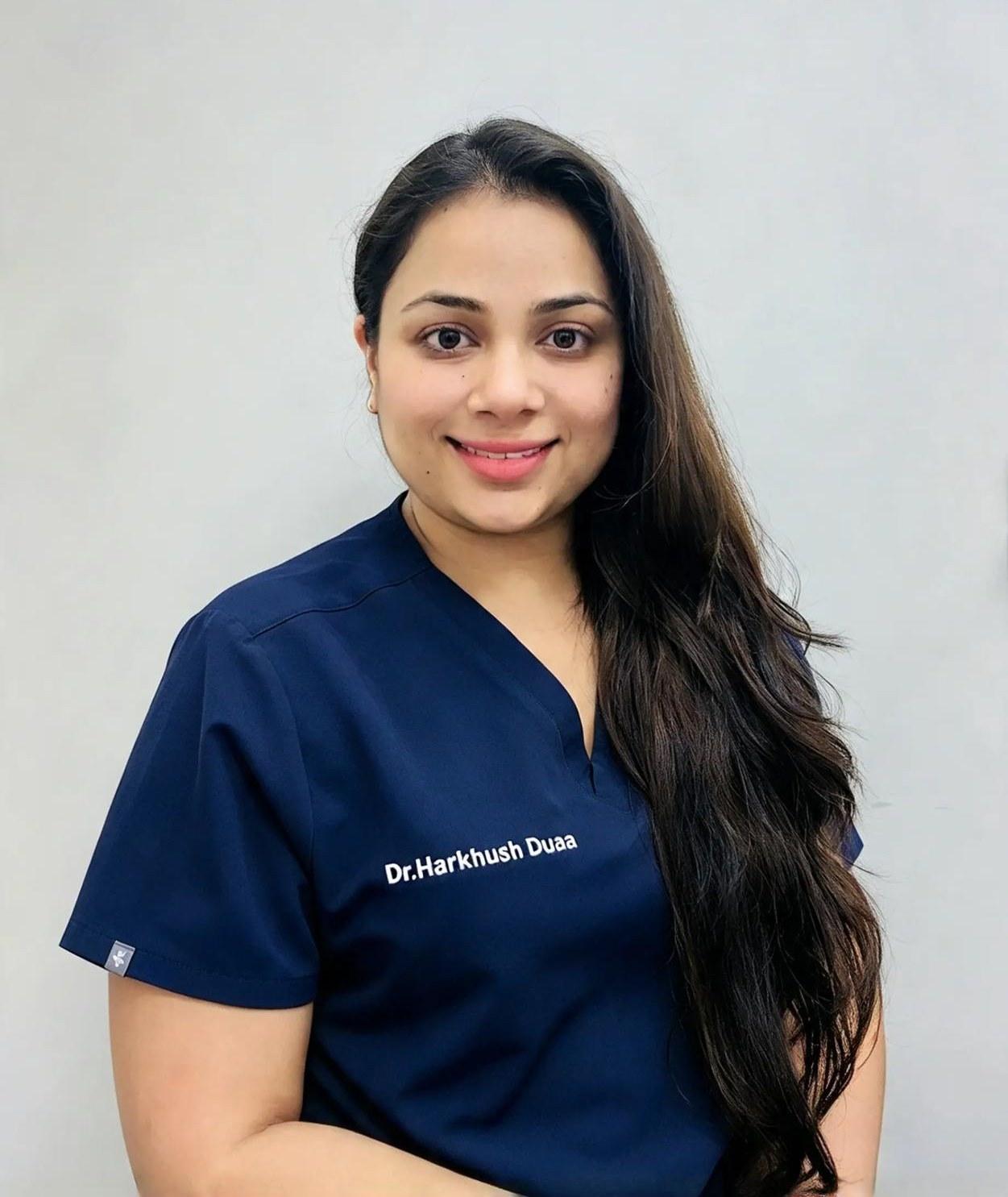
Care at Élevé Dental is provided by Dr. Harkhush Dua, General Dentist.
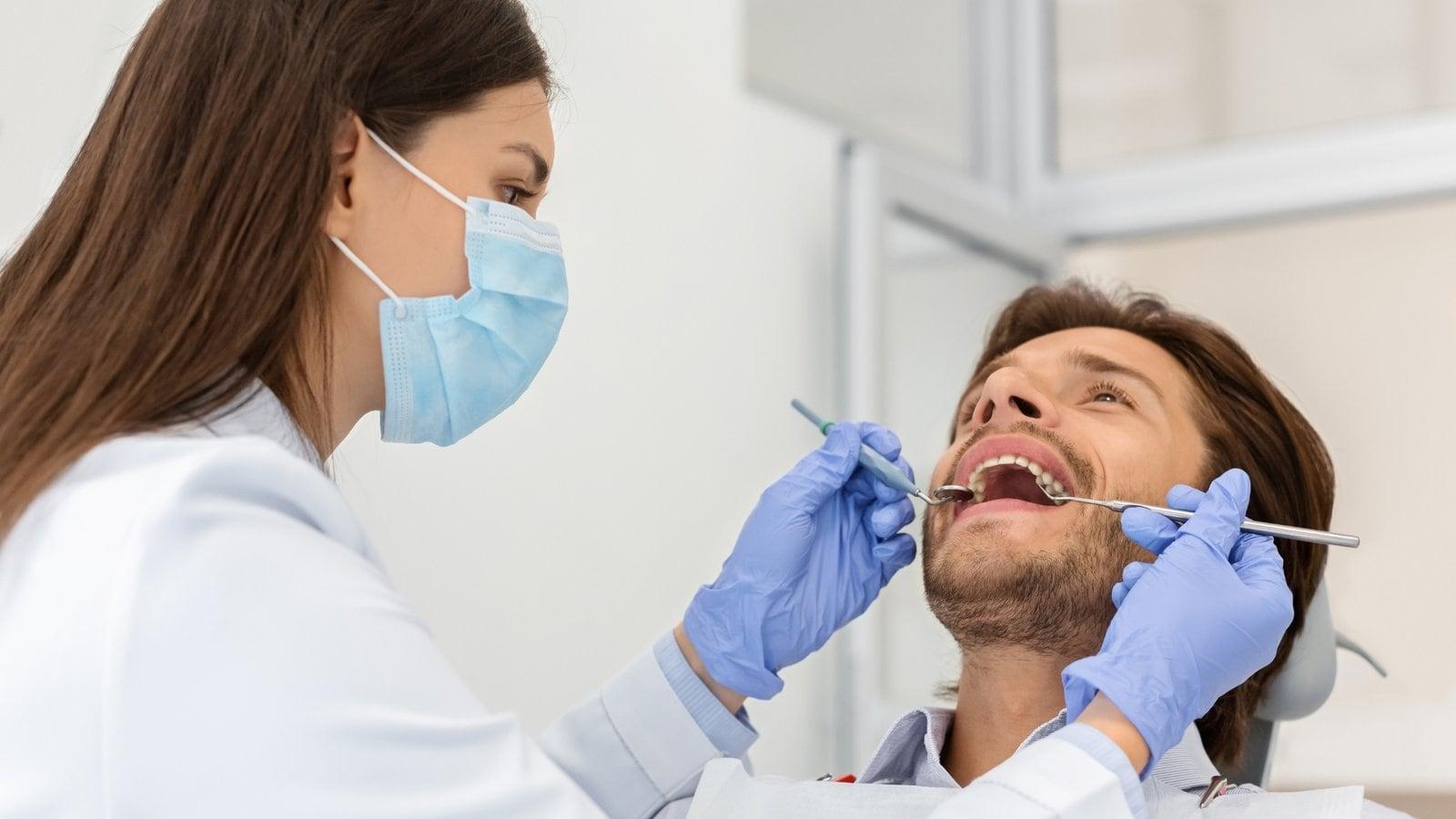
Root canals have a bad reputation they don't deserve. The treatment is there to stop pain, not cause it. When the soft tissue inside a tooth gets inflamed or infected, taking it out and sealing the tooth is often the way to stop the ache and keep the tooth instead of losing it.
At Élevé Dental in Brampton, Dr. Harkhush Dua tells you what she's going to do before each part of the treatment, and makes sure you're numb and comfortable. She has more than 15 years of experience in dentistry. Her goal is to clear the infection properly and save your tooth whenever that's possible.
What is root canal treatment?
Inside every tooth is a space called the pulp chamber, which runs down into the roots. The pulp holds nerves and blood vessels. It can get irritated, inflamed or infected through deep decay, a crack, an abscess, or repeated work on the same tooth.
Root canal treatment, also called endodontic treatment, removes the damaged pulp and nerve. The canals inside the tooth are cleaned and shaped, then filled and sealed so bacteria can't get back in. The outer tooth stays where it is, and once it's restored you can use it as normal.
Signs you may need a root canal
Some infected teeth hurt a lot. Others only show up on an X-ray at a regular check-up. Book an exam if you notice any of the signs below, and call us right away if your face or gum starts to swell. To know what happens in the chair and afterwards, read what to expect from a root canal, step by step.
- A toothache that won't go away, or that throbs
- Sensitivity to hot or cold that lasts after you've finished eating or drinking
- Pain when you bite down or press on one tooth
- A tooth that has turned darker than the teeth beside it
- A swollen or tender spot on the gum near one tooth, or a small bump on the gum
- A bad taste coming from one part of your mouth
Treatments included
Front- and back-tooth root canals
Both front teeth and molars can need treatment, often after an abscess or deep decay. Back teeth usually have more canals to clean.
Root canals through crowns
If the tooth already has a crown, the canals can often be treated through it, though the work can take longer.
Root canal retreatment
A tooth that has had a root canal before may need treatment again if a filling breaks down or a crack lets bacteria back in. Retreatment cleans and reseals the canals.
Root canal surgery
In some harder cases, a small surgical procedure is needed to reach and treat the problem at the root tip.
Why it's worth saving your own tooth
Your own tooth keeps your bite in place, supports the teeth beside it and keeps the bone underneath healthy. When a tooth is taken out, the gap usually needs a bridge, an implant or a partial denture to stop the other teeth from shifting.
Not every tooth can be saved. If the damage is too much, Dr. Dua will tell you directly and go over the other options, including taking the tooth out and replacing it, so you can decide knowing all the facts.
After treatment
The tooth may be tender for a few days. Over-the-counter pain relief usually helps. Don't chew hard foods on that side until the final filling or crown is in.
A tooth that has had a root canal can become more brittle over time, especially a back tooth that does a lot of chewing. A crown is often recommended to protect it. Dr. Dua will tell you if you need one.
Cost, coverage and CDCP
Root canal treatment is one of the services the Canadian Dental Care Plan may cover. Élevé Dental accepts CDCP and most major dental insurance, and bills directly where your plan allows. Coverage depends on your eligibility, your plan and the treatment, and anything not covered is your responsibility.
We go over the cost before we start. If you need it, ask about financing options and whether you qualify. You can also book a consultation first to talk through your options.
What happens at your appointment
- 01
Diagnosis
Dr. Dua examines the tooth and takes X-rays to see the shape of the roots and how far the infection has spread.
- 02
Numbing
Local anaesthetic numbs the area so you feel pressure, not pain. If you're nervous, we can talk about sedation.
- 03
Cleaning the canals
Through a small opening in the tooth, Dr. Dua removes the inflamed pulp, then cleans and shapes each canal.
- 04
Sealing and restoring
The canals are filled and sealed, and the tooth gets a filling. A crown may follow at a later visit.
Ready to take the next step? Book online, or call and we’ll help you choose a time.
Questions
Frequently asked questions
Is a root canal painful?
Root canals are done under local anaesthetic and usually feel much like getting a filling. Many people feel better afterwards because the cause of the pain is gone.
How many visits will I need?
It depends on the tooth and the infection. Some root canals are done in one visit. Others need a second appointment, especially if a crown is planned.
What is root canal retreatment?
Retreatment is needed when a tooth that already had a root canal gets infected again, for example after a filling breaks down. The canals are reopened, cleaned and sealed again.
Can I go back to work after a root canal?
Most people go back to their normal day right away. Your mouth may stay numb for a few hours, so wait until the numbness wears off before you eat.
Does CDCP cover root canals?
Root canal treatment is one of the services the Canadian Dental Care Plan may cover. Coverage depends on your eligibility and the plan's rules, so our team will check it with you first.
Dental Guide
Read before your visit
- Toothache relief: what helps now, what causes it and when it’s an emergencyMost toothaches need a dentist to fix the cause, but rinsing, a cold pack and over-the-counter pain relief can help until you’re seen. Swelling near the eye or neck, or trouble breathing or swallowing, means go to the emergency department.
- Root canal treatment: what happens, how it feels and what recovery is likeA root canal removes infected or damaged tissue from inside a tooth so you can keep the tooth instead of losing it. It is done with local anaesthetic, often in one or two visits, and most people feel some tenderness for a short time afterwards.
Related care at Élevé Dental
- Emergency Dental CareCare for toothaches, broken teeth and other dental emergencies, seven days a week, with same-day appointments whenever available.
- Dental CrownsA custom cap that covers and protects a weakened tooth, made in zirconia or ceramic to suit its position.
- White FillingsComposite fillings that repair cavities and small breaks in a shade matched to your natural tooth.
- Sedation DentistryConscious sedation with nitrous oxide (laughing gas) to help you relax through treatment.
- Dentist for BramaleaAbout 11.1 km from Bramalea by car, Élevé Dental makes the trip count: whole-family bookings, weekend times and a dentist who takes time to explain.

Root Canal Treatment at Élevé Dental, Brampton
Tooth pain rarely gets better on its own. Book an exam at our Brampton clinic, or call us and we'll get you in as soon as we can.
Visit Élevé Dental
Conveniently located in Brampton, Ontario, Élevé Dental proudly welcomes patients from Bramalea, Peel Village and surrounding communities.
Contact
- (905) 488-2525
- Fax (905) 488-2527
- info@elevedental.ca
Office hours
- Monday
- 9:00 AM – 6:00 PM
- Tuesday
- 9:00 AM – 6:00 PM
- Wednesday
- 9:00 AM – 6:00 PM
- Thursday
- 9:00 AM – 6:00 PM
- Friday
- 9:00 AM – 6:00 PM
- Saturday
- 9:00 AM – 3:00 PM
- Sunday
- 9:00 AM – 3:00 PM