










The short answer
- Rinse with warm water and floss carefully to clear out any food caught around the sore tooth6.
- Hold a cold pack on the outside of your cheek. Don’t use heat on your jaw, because it can make the pain worse2.
- Over-the-counter pain relievers can help while you wait. Follow the package directions or ask a pharmacist, and never put a pill or aspirin on the gum4,6.
- Call a dentist if the pain lasts more than two days, keeps you up at night, or comes with swelling or a fever1,4.
- Go to the emergency department or call 911 if swelling spreads toward your eye or neck, or you find it hard to breathe, swallow or speak4,5.
What causes a toothache
Tooth decay is the most common reason a tooth starts to hurt1. A lot of other problems feel the same, though, so the cause usually needs a dental exam to pin down.
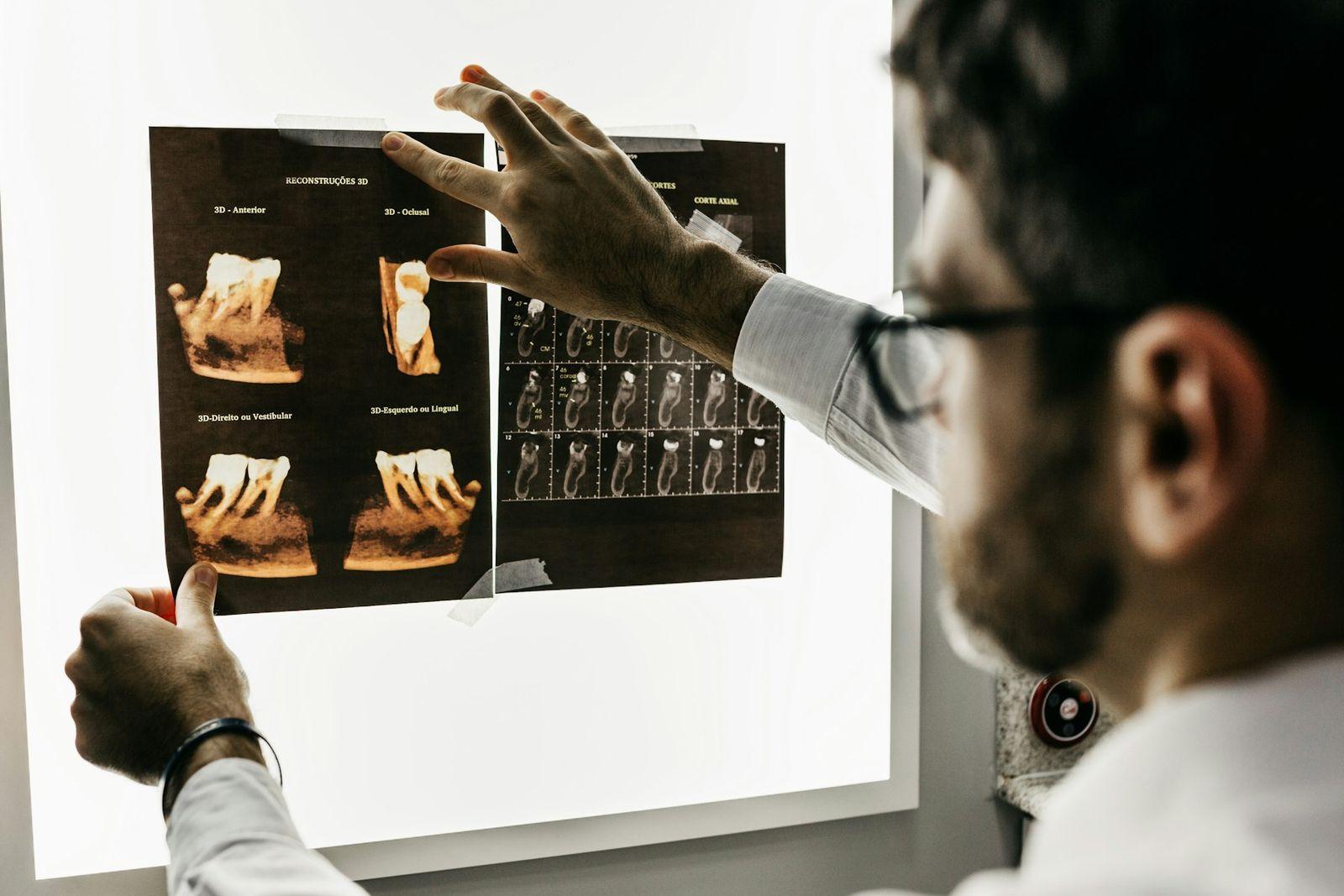
Some pain doesn’t start in the tooth at all. A sinus infection can be felt in the upper teeth, and in rare cases jaw or face pain is a sign of a heart attack1. A wisdom tooth that has only partly come through the gum can also trap bacteria and get infected4.
What you can do at home, including at night
These steps won’t fix the cause, but they can take the edge off until you see a dentist7. They work the same at 2 a.m. as they do at noon.
If the pain is bad enough to keep you awake, treat that as a reason to book a dental visit soon rather than waiting it out1.
- Rinse with warm water, then floss carefully to remove any food stuck between the teeth6.
- Rinse with warm salt water (about half a teaspoon of salt in a glass of warm water) and spit it out. Children shouldn’t do this in case they swallow it4.
- Hold a cold pack wrapped in a cloth against the outside of your cheek1.
- Take an over-the-counter pain reliever, following the package directions. A pharmacist can tell you which one suits you4.
- Eat soft foods and chew on the other side4.
- Skip sweet, very hot and very cold food and drinks if they set off the pain4.
- Use a soft toothbrush and a toothpaste made for sensitive teeth1,4.
What not to do
A few common home fixes can make things worse, so leave these out.
- Don’t put aspirin or any other pill on the tooth or gum. It can burn the gum tissue6.
- Don’t use heat, like a heating pad or hot water bottle, on your jaw2.
- Don’t give aspirin to anyone under 164.
- Don’t use mouth-numbing medicine on children unless a doctor has advised it. Over-the-counter benzocaine gels are for short-term use by adults1.
- Don’t smoke, since it can make some dental problems worse4.
- Don’t expect antibiotics to fix a toothache. The ODA says they’re generally only needed when there is a fever or swelling on the outside of the face2.
Pain after a new filling
Mild sensitivity and sore gums around a new filling are common, and they usually settle within a week or two8. If it hurts mainly when you bite down, the filling may be sitting a little high, and your dentist can reshape it8.
Call the dentist who placed the filling if the pain is severe and pain relievers don’t help, if the filling breaks, or if your face or jaw swells or you get a fever or chills8. Pain that lingers for a long time after something hot or cold can point to an irritated nerve, which sometimes needs a root canal8.
When to see a dentist the same day
If the pain is constant or severe, call your dentist right away and ask to be seen as soon as possible2. Even if the pain is milder, book a dental visit soon if any of the points below apply.
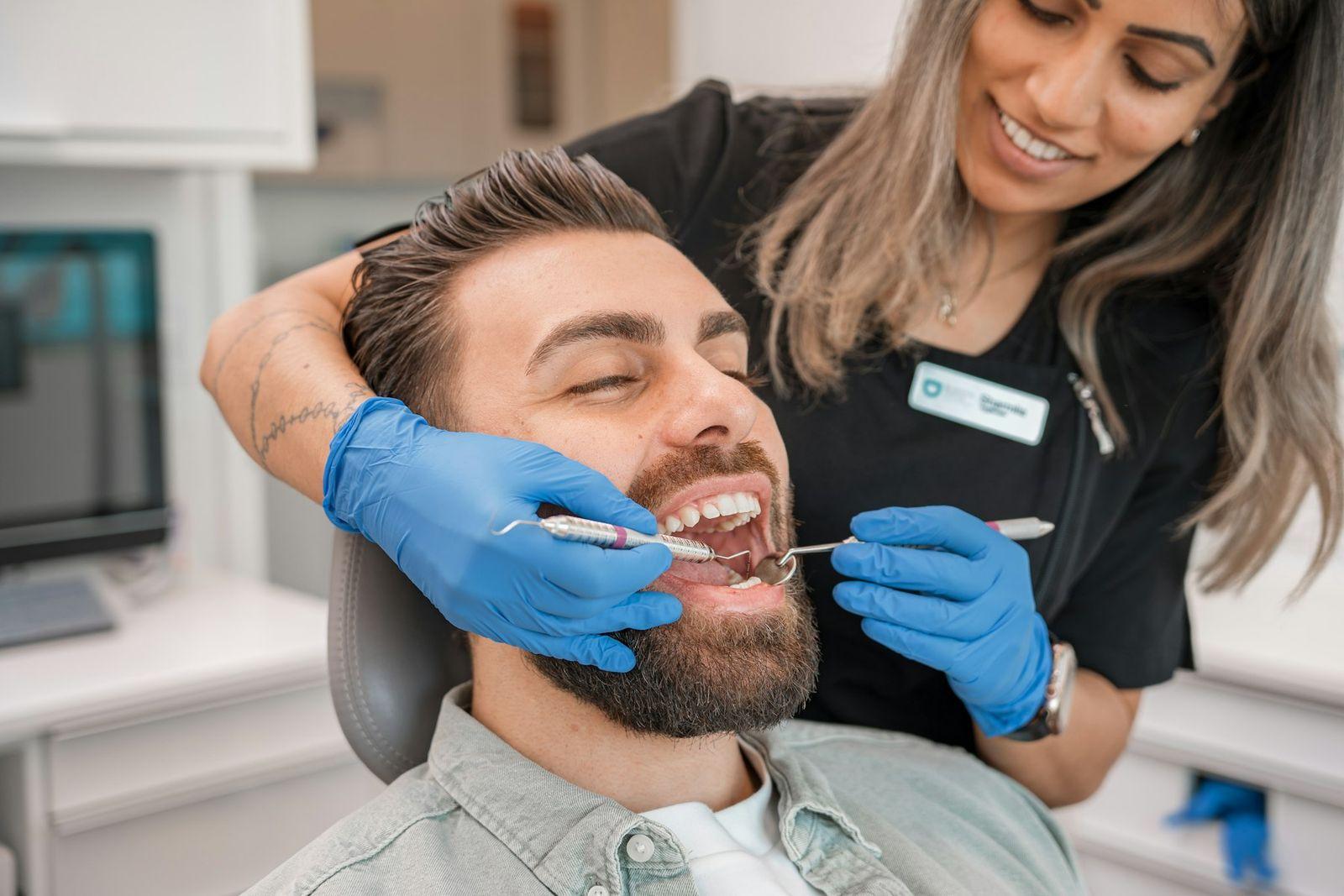
A family doctor can’t repair the tooth, so a dentist is usually the right first call4. At Élevé Dental in Brampton, Dr. Harkhush Dua, a General Dentist, can examine the tooth and explain your options for treating the cause.
- The pain has lasted more than two days, or painkillers aren’t helping4.
- Your cheek or jaw is swollen, or you might have a fever1,4.
- There’s a red, swollen, painful bump on the gum beside the sore tooth1.
- It hurts to bite, your gums are red, or there’s a bad taste in your mouth4.
- You have diabetes or a weakened immune system1.
After hours and on weekends
If you can’t reach a dentist and aren’t sure how urgent it is, Health811 lets you talk to a registered nurse day or night at no cost. Call 811 (TTY 711) or chat online, and check ontario.ca/health for the current details3.
For any of the warning signs in the red box, skip the phone call and go straight to the nearest emergency department or call 9114,5. Élevé Dental, at 10 Gillingham Drive in Brampton, keeps a seven-day schedule and sees same-day emergencies whenever possible, so call (905) 488-2525 before you come in.
Have a question about your own teeth? Dr. Dua can take a look.
Questions people also ask
How can I stop a toothache fast?
There’s no instant fix at home. Over-the-counter pain relief taken as the package directs, a cold pack on the cheek and a warm salt-water rinse can ease it for a while4,7. Home remedies only give mild relief, and pain that keeps coming back needs a dentist7.
What should I do for a toothache at night?
Rinse, clear any trapped food, hold a cold pack on the outside of your cheek and take pain relief as the label directs6,1. Pain that stops you sleeping is a sign to get dental care soon1. If swelling grows overnight or you struggle to breathe or swallow, go to emergency4.
Can a toothache go away on its own?
Mild pain sometimes settles, for example sensitivity after a new filling often fades within a week or two8. Pain that lasts more than two days, or keeps returning, should be checked by a dentist4.
Is a toothache with a swollen face an emergency?
A swollen cheek or jaw needs a dentist soon4. If the swelling reaches your eye or neck, or makes it hard to breathe, swallow or speak, go to the emergency department or call 9114,5.
Will I need a root canal?
Not always; it depends on what’s causing the pain. A cavity may only need a filling, while pain that lingers after hot or cold can mean the nerve is damaged, which may need a root canal or extraction8. Your dentist will advise after examining the tooth.
Sources
Every numbered note in this article points to one of these public sources.
- 1.HealthLink BC. Toothache and Gum Problems
- 2.Ontario Dental Association. Dental Emergencies
- 3.Government of Ontario. Your health
- 4.NHS. Toothache
- 5.NHS. Dental abscess
- 6.American Dental Association (MouthHealthy). Dental Emergency - What if I break a Tooth
- 7.Cleveland Clinic. Toothache: Symptoms, Causes & Remedies
- 8.Cleveland Clinic. Dental Fillings: Types, Materials & What They’re For
This article is general information, not a diagnosis or a treatment plan. Every mouth is different. For advice about your own teeth, talk to a dentist. In an emergency, call 911 or go to the nearest hospital.