





Dental bone grafting in Brampton
A procedure that rebuilds thin or damaged jawbone, often to create a solid foundation for a dental implant.
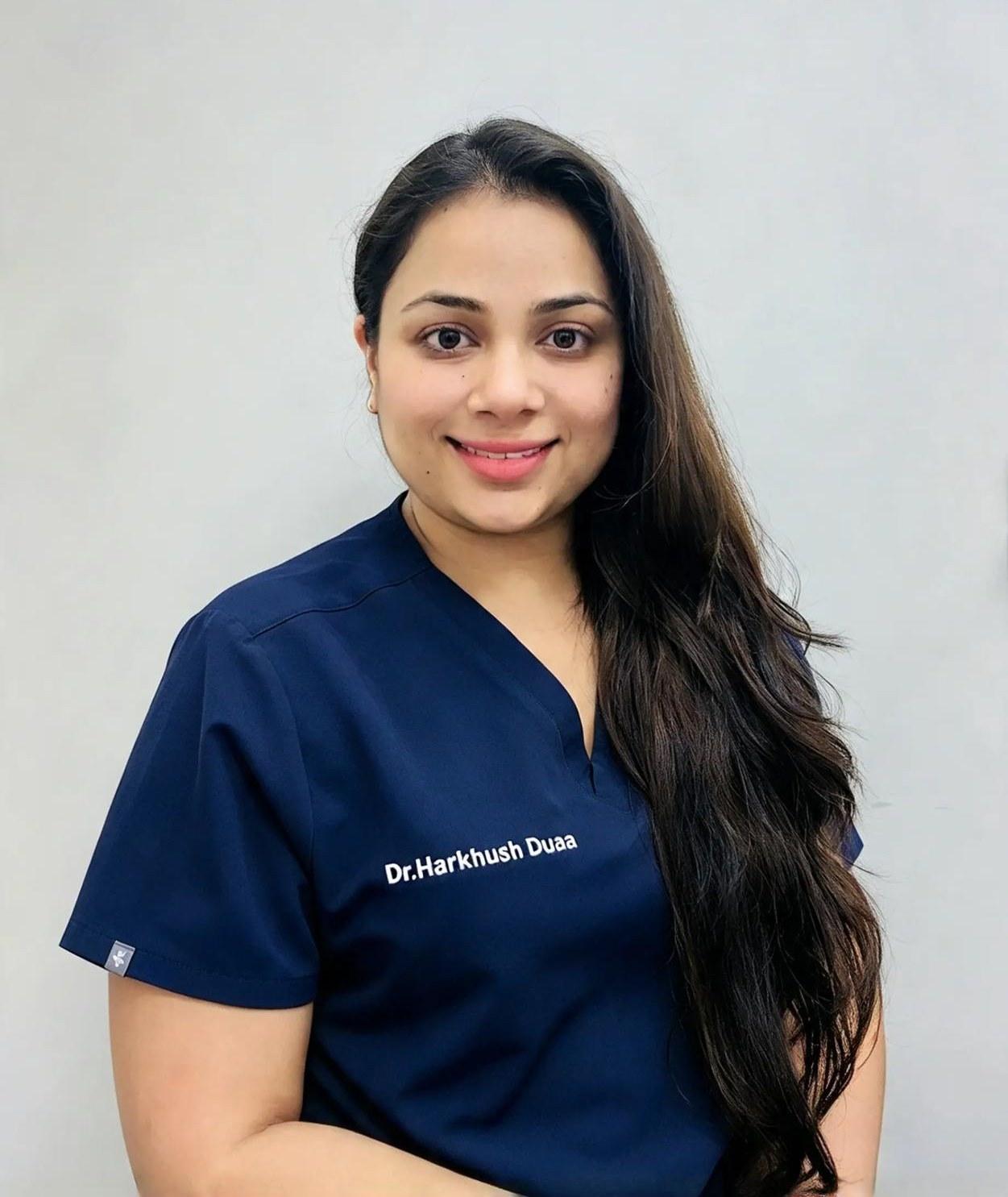
Care at Élevé Dental is provided by Dr. Harkhush Dua, General Dentist.
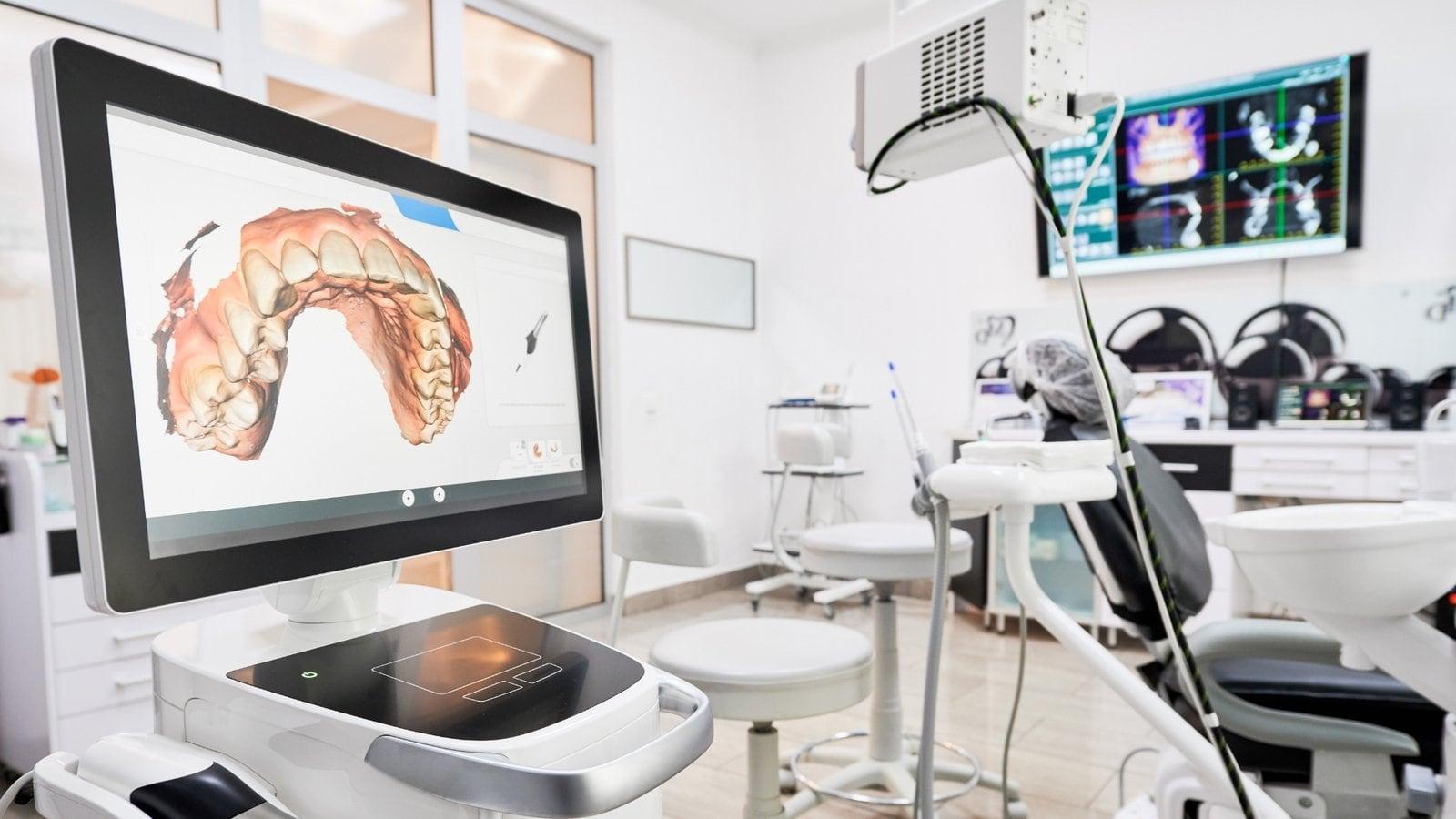
When a tooth has been missing for a while, or has been lost to infection or gum disease, the bone that once held it can shrink. That matters most if you are hoping for a dental implant, because an implant needs enough healthy bone to anchor into. Bone grafting is how dentists rebuild that foundation.
The idea of a graft can sound daunting, but the reasoning is simple. At Élevé Dental in Brampton, Dr. Harkhush Dua will explain whether you need one, which material makes sense, and how it fits into your overall treatment plan.
What a bone graft does
A bone graft is a surgical procedure that places bone or bone-like material where the existing bone is too thin, too short or damaged. Over the following months, your body gradually builds new bone around and into the graft, strengthening the area.
In the mouth, grafting is most often used to prepare the jaw for a dental implant. An implant works because it fuses with the jawbone beneath the gum, forming a stable base for an artificial tooth or bridge. Without enough bone, that fusion may not be secure, so a graft is placed first or at the same time.
Who may need a bone graft
Not everyone who wants an implant needs grafting. It tends to be recommended in situations like these:
- A tooth has been missing for some time and the bone has shrunk
- Bone was lost because of infection, an abscess or gum disease
- A tooth is being extracted and the socket needs support to heal well
- The jawbone is too narrow or shallow to hold an implant securely
Types of grafting material
The material used depends on the size and type of defect being repaired. Dr. Dua will recommend the option that suits your situation and explain why.
- Allograft: bone from a human donor that has been cleaned and stored in a tissue bank. This is the most commonly used type.
- Xenograft: grafting material that comes from a different species and has been specially processed for use in people.
- Autograft: bone taken from elsewhere in your own body. Other sites, such as the hip or rib, are sometimes used for larger repairs.
Healing and what comes next
After grafting, the gum is closed over the area and healing begins. Mild swelling and tenderness are common for a few days. Keeping the area clean, following your aftercare instructions and avoiding smoking all support good healing.
The new bone needs time to mature before it can carry an implant. In some cases the graft and implant are placed together; in others there is a healing period first. Your plan may also include an implant-supported bridge or crown once everything has settled.
Coverage and planning the cost
Insurance coverage for grafting varies from plan to plan. Our team can check your benefits and submit claims directly where your insurer allows. Because grafting is usually one stage of a larger treatment, we will explain the whole plan up front, and you can ask about financing options and eligibility. You can book a consultation with Dr. Dua to talk it through.
What to expect
- 01
Consultation
Dr. Dua reviews your health history, examines the area and explains whether grafting is needed before an implant.
- 02
Planning
X-rays help measure the available bone so the right grafting material and approach can be chosen.
- 03
The procedure
With the area numbed, the graft is placed and the gum is closed so healing can begin.
- 04
Healing check-ups
Follow-up visits confirm the area is healing well and that new bone is forming before the next step.
Ready to take the next step? Book online, or call and we’ll help you choose a time.
Questions
Frequently asked questions
Is a bone graft painful?
The area is numbed during the procedure. Afterwards, swelling and soreness are common for a few days and usually respond to over-the-counter pain relief.
Why can't the implant go in straight away?
An implant needs to fuse with healthy bone. If the bone is too thin or damaged, a graft rebuilds it first so the implant has a stable foundation.
Where does the graft material come from?
It may be donor bone from a tissue bank (allograft), processed material from another species (xenograft), or bone from your own body (autograft).
How long does a graft take to heal?
It varies with the size of the graft and how your body heals. Dr. Dua will explain the expected healing time for your case.
Will I always need a graft for an implant?
No. Many people have enough bone for an implant without grafting. An examination and X-rays will tell us.
Can a graft be placed when a tooth is removed?
Sometimes. Placing graft material in the socket at the time of an extraction can help preserve bone for a future implant. Dr. Dua will tell you whether that makes sense in your case.
What can I do to help a graft heal?
Follow your aftercare instructions closely, keep the area clean, eat soft foods on the other side for a while, and avoid smoking, which slows healing.
Dental Guide
Read before your visit
Related care at Élevé Dental
- Oral SurgeryTooth extractions, dental implants, bone grafts and immediate dentures, planned with you before anything starts.
- Dental ImplantsA fixed way to replace one missing tooth, several teeth, or a full upper and lower set.
- Tooth ExtractionCareful removal of a tooth that can't be saved, with a clear plan for healing and for replacing it if needed.
- Dental BridgesA fixed replacement for one or more missing teeth, anchored to the teeth on either side or to implants.
- Cosmetic & Restorative DentistryFillings, crowns, veneers, bridges and smile makeovers to repair damaged teeth and improve how they look.

Bone Grafting at Élevé Dental, Brampton
Considering an implant but worried about bone loss? Book a consultation in Brampton and find out whether a graft is part of your plan.
Visit Élevé Dental
Conveniently located in Brampton, Ontario, Élevé Dental proudly welcomes patients from Bramalea, Peel Village and surrounding communities.
Contact
- (905) 488-2525
- Fax (905) 488-2527
- info@elevedental.ca
Office hours
- Monday
- 9:00 AM – 6:00 PM
- Tuesday
- 9:00 AM – 6:00 PM
- Wednesday
- 9:00 AM – 6:00 PM
- Thursday
- 9:00 AM – 6:00 PM
- Friday
- 9:00 AM – 6:00 PM
- Saturday
- 9:00 AM – 3:00 PM
- Sunday
- 9:00 AM – 3:00 PM